
How Toyota’s Safety System 2.0 and Features Outshine Honda’s Best
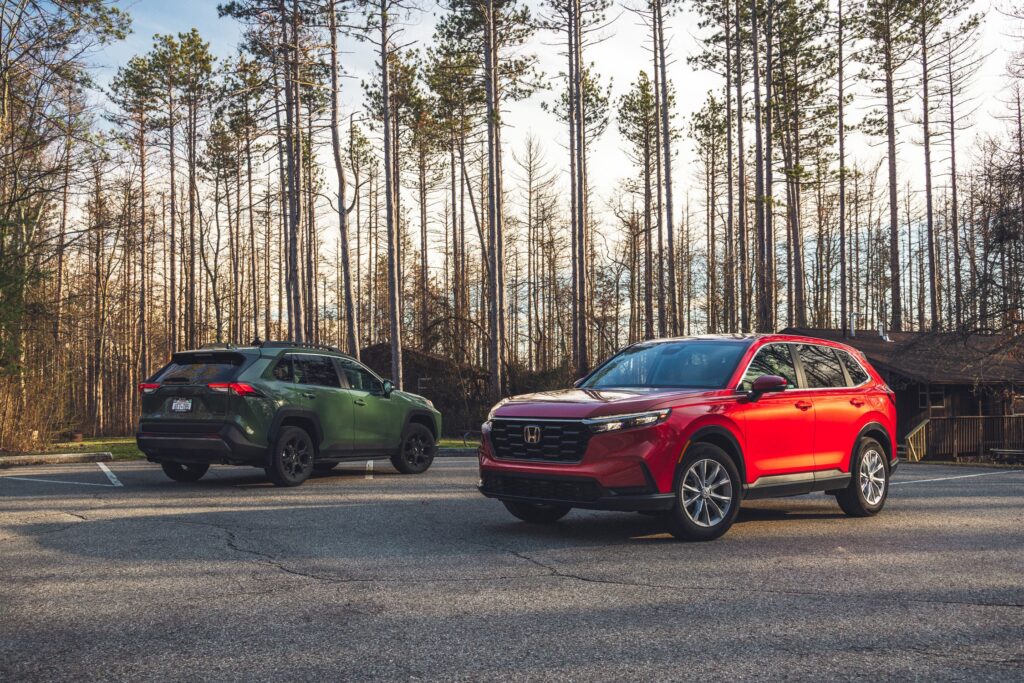
There’s no denying that compact SUVs have taken center stage for drivers who want versatility without sacrificing efficiency. The toyota rav4 vs honda cr-v debate continues to attract attention, and for good reason. Both models deliver strong value, long-term reliability, and everyday comfort, making them popular picks across the board. But when features are stacked side by side, the RAV4 steps forward with a little more purpose. Toyota’s commitment to safety and technology shines through, and those thoughtful details matter when choosing a vehicle built for both daily driving and spontaneous adventure.
The RAV4’s Safety Sense 2.0 system takes an already dependable ride and layers on features designed to support smarter, safer driving. Lane Keeping Assist adds a sense of security during highway cruising, while Automatic High Beams adjust effortlessly to road conditions, removing the need to constantly switch back and forth. Add in Traffic Sign Assist and Trailer Sway Control, and it becomes clear that this vehicle is looking out for both the driver and everyone sharing the road. Honda’s Sensing Suite includes essentials like Forward Collision Warning and Lane Departure Warning, but the overall package feels a step behind what Toyota offers in real-time support.
Beyond safety, tech features have become essential for how drivers connect with their vehicles. The RAV4 offers a clean, seven-inch touchscreen that brings a clear, simple user experience front and center. The Rear View Camera with Projected Path turns parking and tight spaces into a far less stressful experience, giving confidence with every turn of the wheel. It’s the kind of feature that isn’t just appreciated, it’s relied on. The CR-V does offer solid infotainment as well, but the interface can feel dated, and some of the systems don’t flow as intuitively as they should in a vehicle of its class.
Of course, both models deliver when it comes to core functionality, ample cargo space, strong fuel economy, and comfortable seating for everyday use. But the difference shows up in the details. The way the RAV4’s cabin feels tailored to modern drivers, the smooth interaction between its safety tech and user-friendly display, the seamlessness of switching from workweek routine to weekend escape. These are the things that stick after the initial excitement of a new car wears off. Honda offers a well-rounded experience, but the RAV4 elevates it with features that feel like they were designed to make life easier.
In the toyota rav4 vs honda cr-v conversation, both SUVs clearly earn their reputation, but the RAV4 offers that extra layer of thoughtfulness and innovation that resonates with today’s drivers. It’s not just about getting from point A to point B; it’s about how the vehicle supports that journey along the way. Whether navigating city traffic or hitting the open road, the RAV4 makes each mile feel more connected and confident. In a category where both options look strong on paper, Toyota’s edge is found in the experience behind the wheel, and that makes all the difference.


